Biodiversify fed aquaculture with extractive aquaculture to recapture Organic waste.
Land/Coastal aquaculture ecosystem approach for effluent⁄ nutrient management.
Cost Effective Waste reduction to prevent dead coastal zone formation.
Reduce the amounts of organic and inorganic nitrogen, carbon and phosphorus, using extractive sea cucumber for Carbon Trading Credits (CTCs).
More responsible and diversified approach to aquaculture.
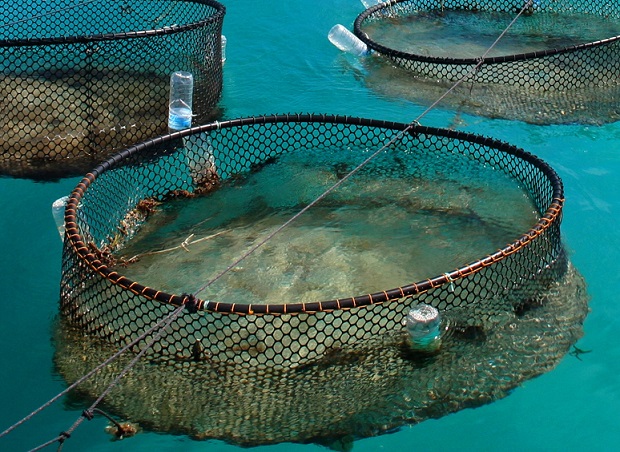
The intensive development of aquaculture has raised a range of environmental concerns and one of the key sustainability challenges facing the growing global aquaculture industry is the treatment of organic wastes produced by expanding coastal Aquaculture Industry. Aquaculture activities in the sea affect the ecosystem by polluting the environment with biodeposit outputs such as waste food, faecal matter and detritus and disrupt the marine benthos through the organic enrichment of the underlying sediment. The development of sustainable aquaculture systems is becoming the cornerstone for long-term aquaculture expansion, and to achieve environmental sustainability by substantially reducing the impact of the cultures.
Integrated multitrophic aquaculture systems (IMTA) is becoming the aquaculture of the future with increased quality, promoting environmental, economic and social sustainability. The polyculture system alleviate many of the associated environmental impacts of monoculture systems and sustainably producing an economically valuable secondary product for higher profitability.
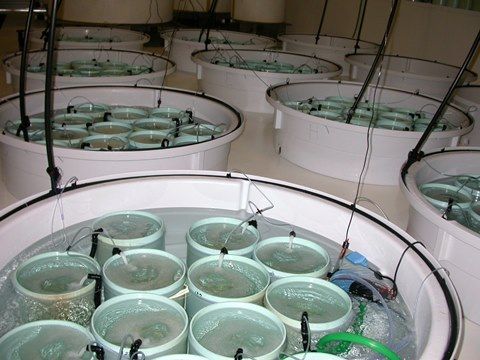
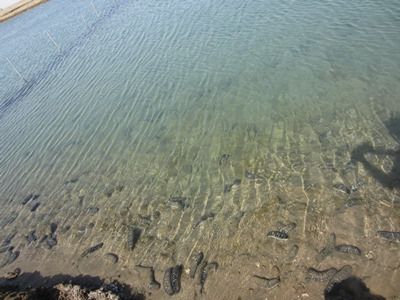
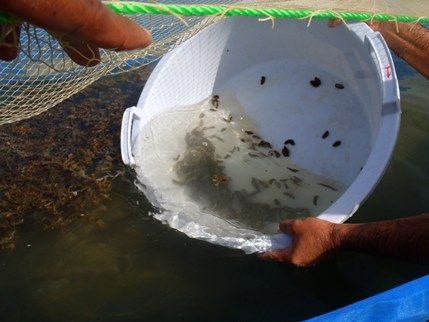
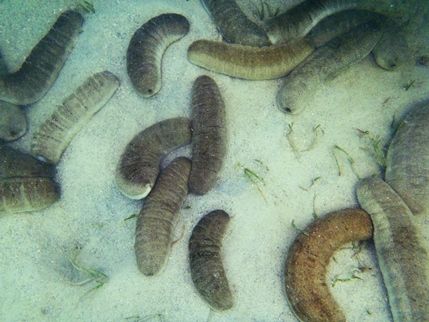
Lower trophic level extractive detritivore sea cucumber is the best candidate to limit aquaculture nutrients and organic matter outputs through Biofiltering and Biomitigation (feeds on the waste of the primary higher trophic level species) providing both economic and environmental sustainability. Bioremediation systems based on coupled bioturbation–microbial processing offer a promising route for waste management. Sea cucumbers can be integrated with fish farms (under fish cages), abalone, mussel, sea urchins, oysters, seaweeds as they consume fouling debris such as fish faeces, excess fish food, bio-deposits and algae and turn these harmful fouling/ polluting products into a marketable high value product – “Sea cucumber Biomass Yield”. More value product for every waste produced.
Lower trophic level species acts as a remediator of the elevated carbon and nitrogen levels.
Detritus feeding sea cucumber is the potential extractive species to remove additional particulate organic waste, that could optimise nutrient utilisation and reduce solid waste that goes to sediments. Sea cucumber acts as a remediator of the elevated carbon and nitrogen levels of the sediments. Sea cucumber process surface sediments by grazing and reduce suspended solids and microbial pollution within aquaculture, thereby have the potential to some extent contain or, in some cases, even reverse the polluting impacts of coastal bivalve aquaculture.